Lager beers: every style explained
9 styles in this family, each with its taste, strength, history and three bottles to try.
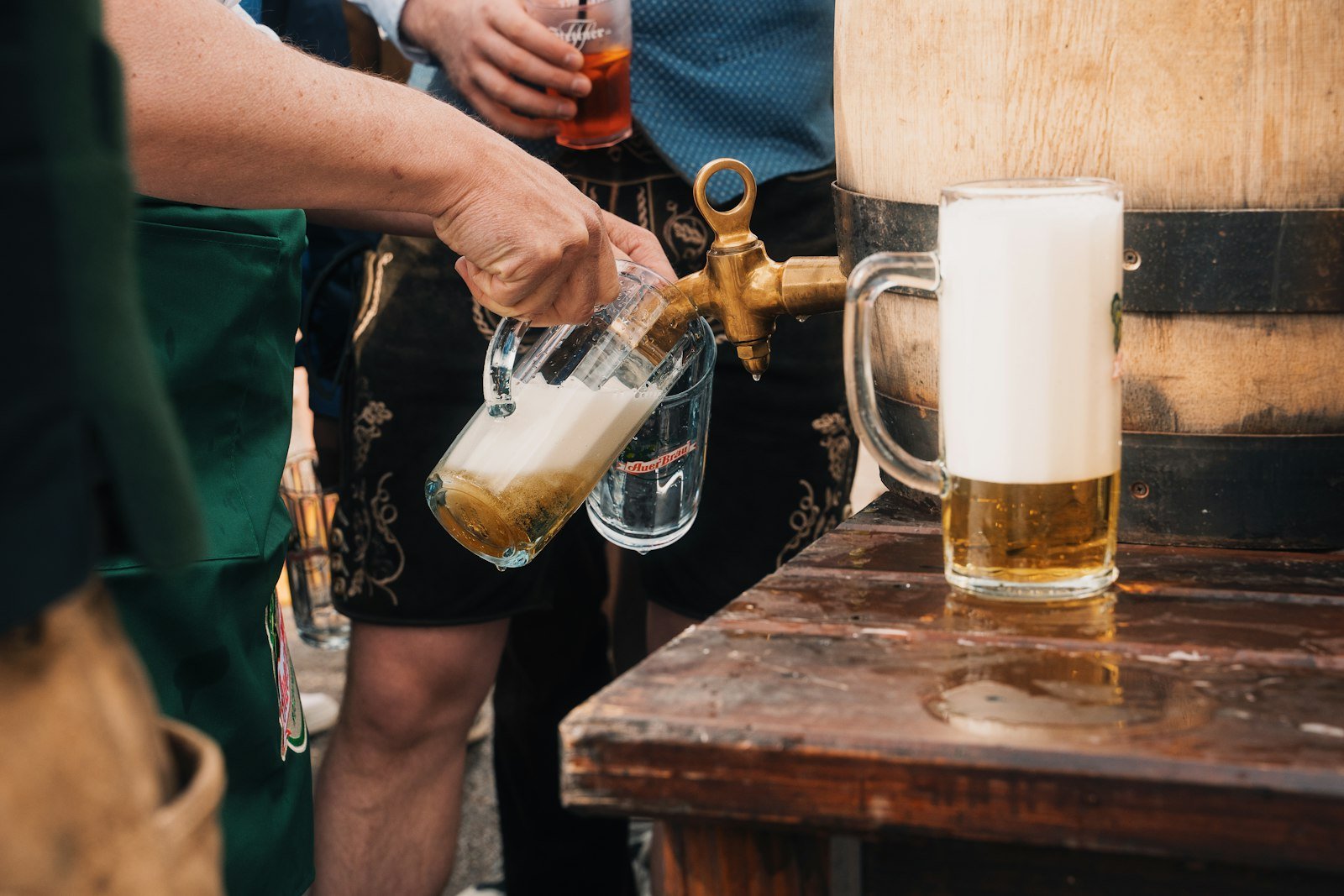
Lagers are brewed with yeast that works slowly at cold temperatures, then conditioned cold for weeks. The result is a clean, crisp beer where the malt and hops show clearly, without the fruity notes of ale yeast.
That does not mean they all taste the same. A pale American lager is light and thirst-quenching, a Czech pilsner is bready and properly bitter, a bock is rich and malty, and a schwarzbier is black but surprisingly light. Pick a style below to see how it tastes, how strong it is and which bottles to try first.


At a glance
| Style | Strength |
|---|---|
| American Lager | 4.2–5.3% |
| Bock | 6.3–7.5% |
| Dunkel | 4.5–5.6% |
| Helles | 4.7–5.4% |
| India Pale Lager | 5.5–7.0% |
| Mexican Lager | 4.0–5.5% |
| Pilsner | 4.2–5.4% |
| Märzen | 5.6–6.3% |
| Schwarzbier | 4.4–5.4% |
Questions
What is the difference between a lager and an ale?
The yeast. Lager yeast ferments slowly at cold temperatures and leaves a clean, crisp flavour; ale yeast ferments warmer and faster and adds fruity, spicy notes.
Which lager is best for beginners?
Start with a Helles or an American lager: both are light, soft and low in bitterness. Move on to a pilsner when you want more hop character.
Are dark lagers heavy?
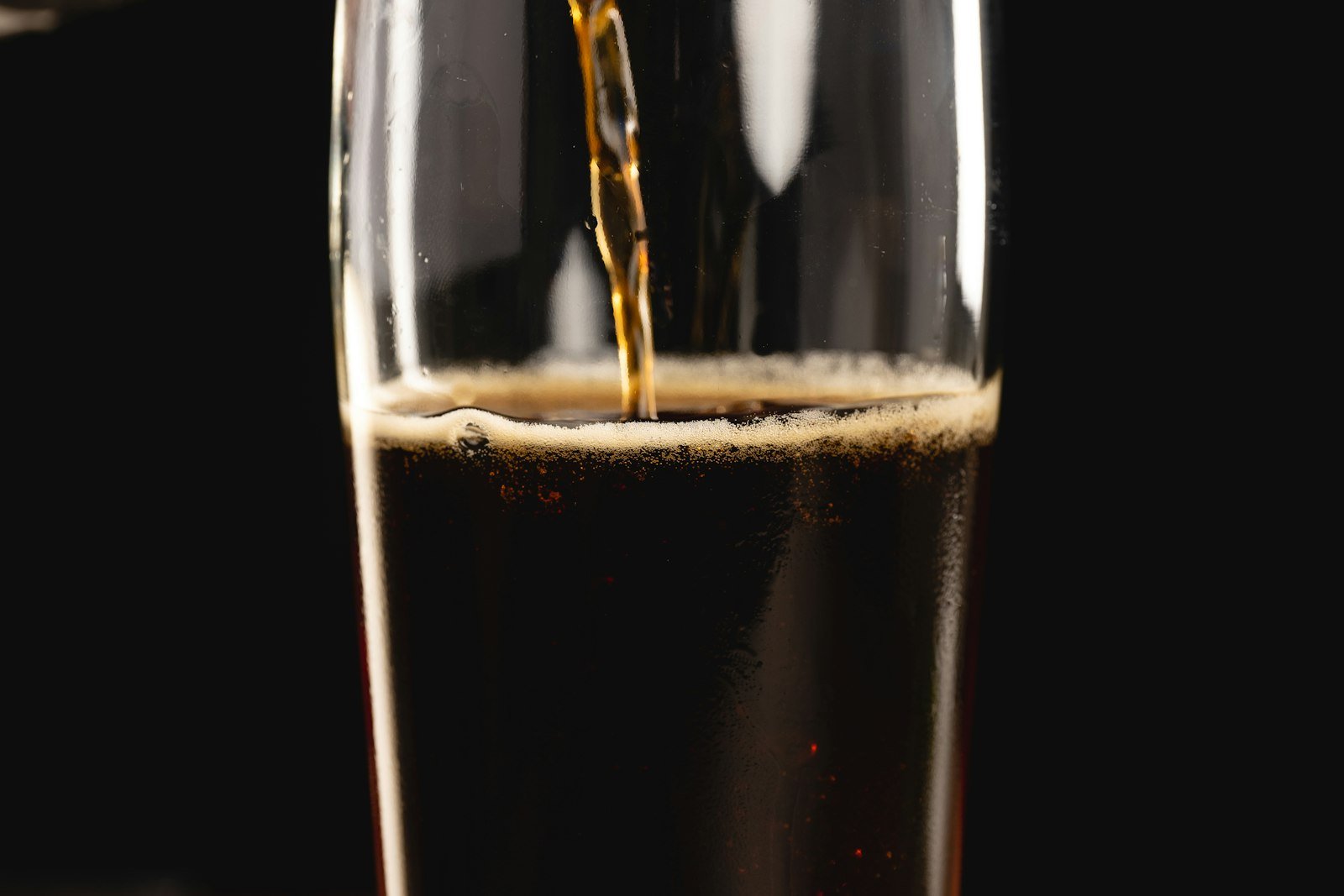
Not usually. Dunkel and schwarzbier look dark but are medium-bodied and often lighter than a pale ale.