
Beer styles
30 styles in four families. Each guide covers the taste, the history, how to serve it, food pairings and three bottles to try.








Wheat, Belgian & Sour





Stouts & Porters



How to read a beer style guide
Each guide gives you three numbers that describe almost any beer. They make it easy to compare styles and to find new beers similar to the ones you already enjoy.
Colour (SRM)
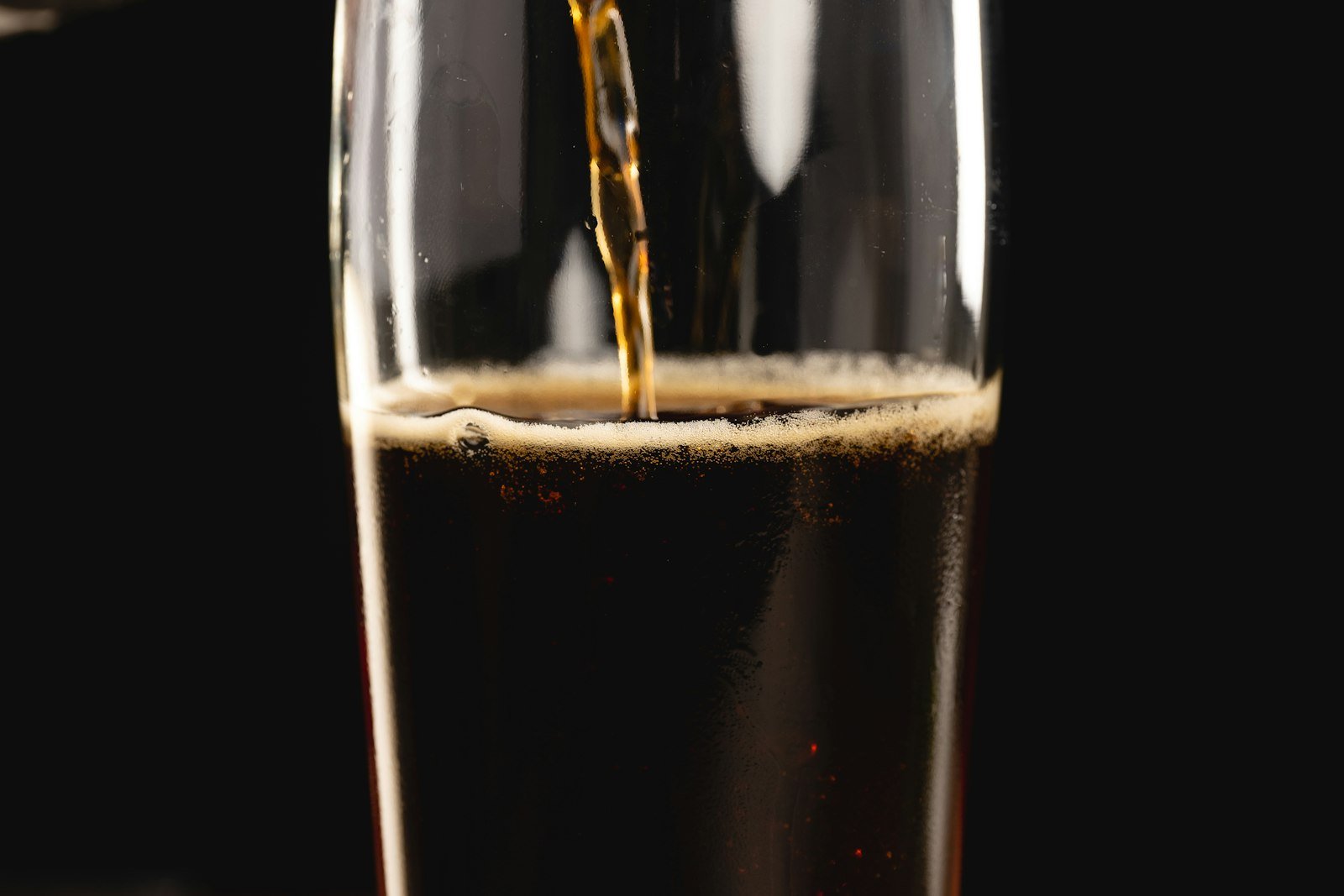
The Standard Reference Method measures colour, from about 2 for a pale straw pilsner to 40 and above for a black imperial stout. Colour comes mostly from the malt: darker roasted malts give darker beer and flavours of caramel, coffee and chocolate.
Bitterness (IBU)
International Bitterness Units measure bitterness from hops. A wheat beer may have 10 IBU, a classic pilsner around 35 and a West Coast IPA 60 or more. Malt sweetness balances bitterness, so two beers with the same IBU can taste quite different.
Strength (ABV)
Alcohol by volume is the share of the beer that is alcohol. Most everyday lagers and ales are 4 to 6 percent; Belgian tripels, imperial IPAs and imperial stouts can reach 8 to 12 percent.
Ales and lagers
Most styles fall into two families. Ales are fermented with top-fermenting yeast at warmer temperatures, which gives fruity and spicy flavours. Lagers use bottom-fermenting yeast at cooler temperatures and are aged longer, which gives a cleaner, crisper taste. Wheat beers and sour beers have their own guides in the Wheat, Belgian and Sour family.