Ales and IPAs: every style explained
9 styles in this family, each with its taste, strength, history and three bottles to try.
Ales are fermented warmer and faster than lagers, with yeast that adds its own fruity and sometimes spicy flavours. They range from soft, malty brown ales to the most hop-forward beers in the world.
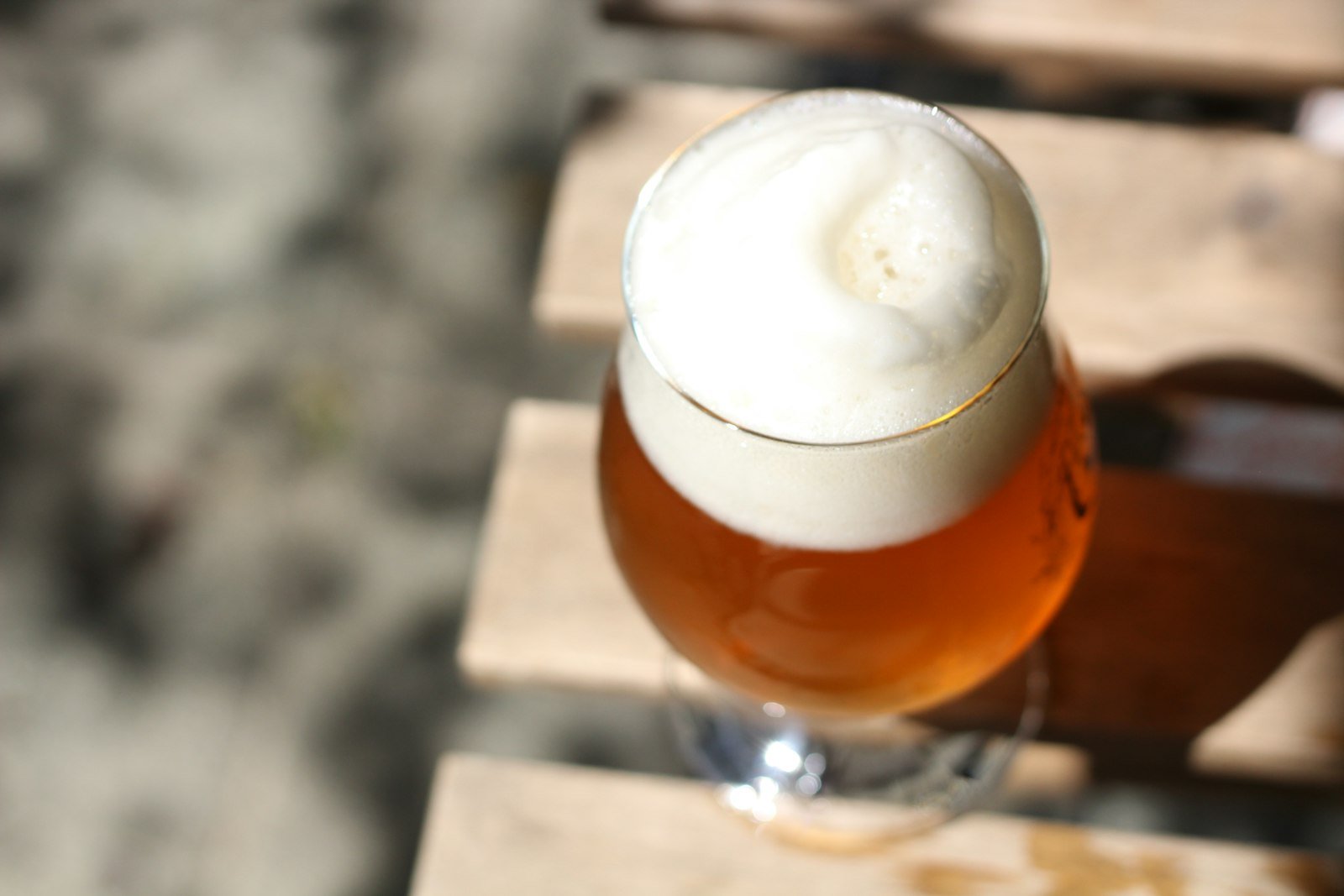
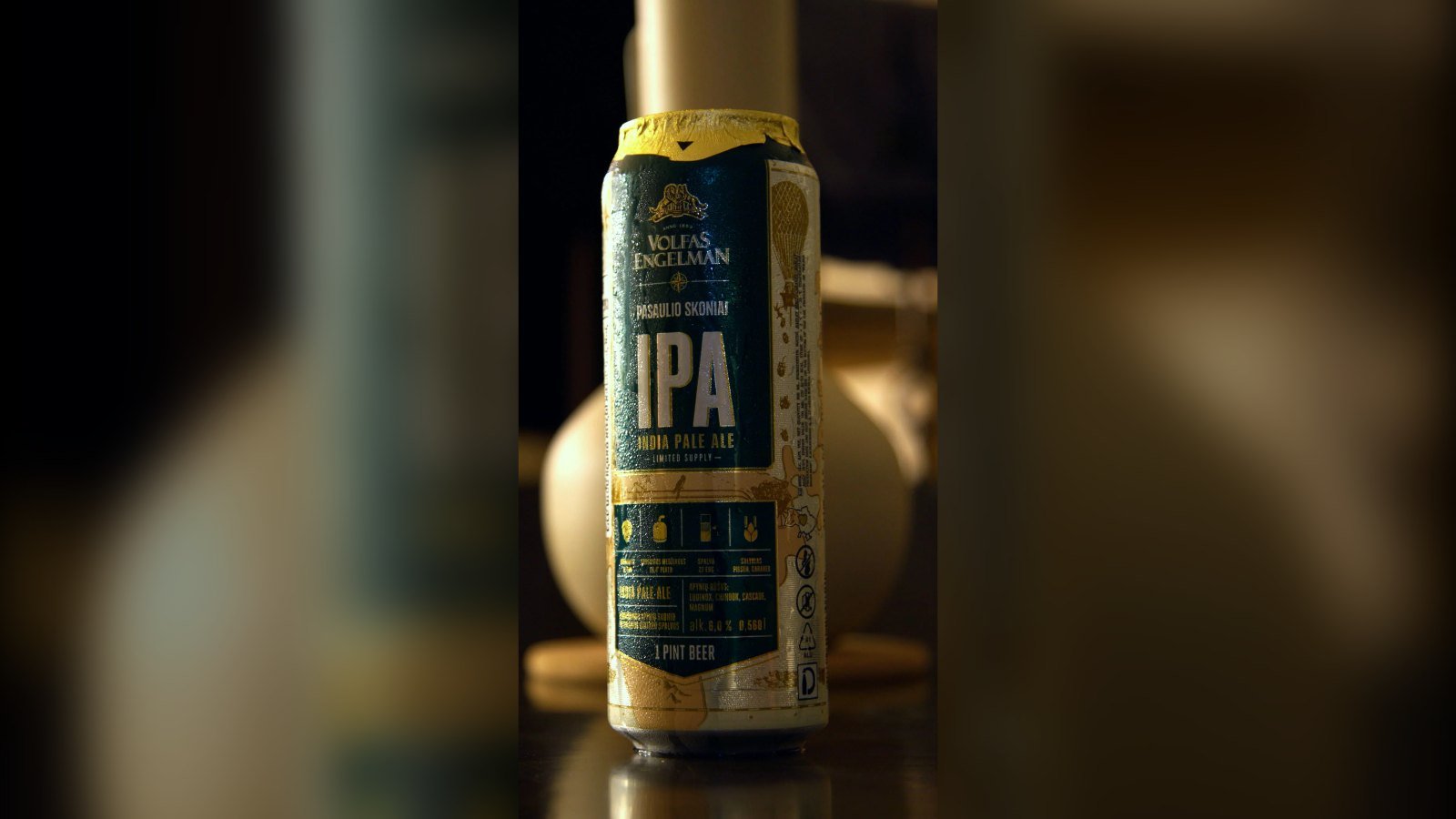
IPAs are the most popular ale family today. A West Coast IPA is dry and piney, a hazy IPA is juicy and soft, a session IPA keeps the hops but drops the alcohol, and an imperial IPA turns everything up. Choose a style below for its taste, strength and the best bottles to start with.






At a glance
| Style | Strength |
|---|---|
| Amber Ale | 4.5–6.2% |
| Blonde Ale | 3.8–5.5% |
| Brown Ale | 4.2–5.9% |
| Hazy IPA | 6.0–7.5% |
| Imperial IPA | 8.0–10.0% |
| IPA | 5.5–7.5% |
| Pale Ale | 4.5–6.2% |
| West Coast IPA | 6.0–7.5% |
| Session IPA | 3.5–5.0% |
Questions
What does IPA stand for?
India Pale Ale. The name comes from strong, well-hopped pale ales shipped from England to India in the 1800s.
What is the difference between a hazy IPA and a West Coast IPA?
A hazy IPA is cloudy, soft and juicy with low bitterness. A West Coast IPA is clear, dry and noticeably bitter with pine and citrus.
Which ale is easiest to drink?
A blonde ale or a session IPA: light, low in alcohol and not too bitter.